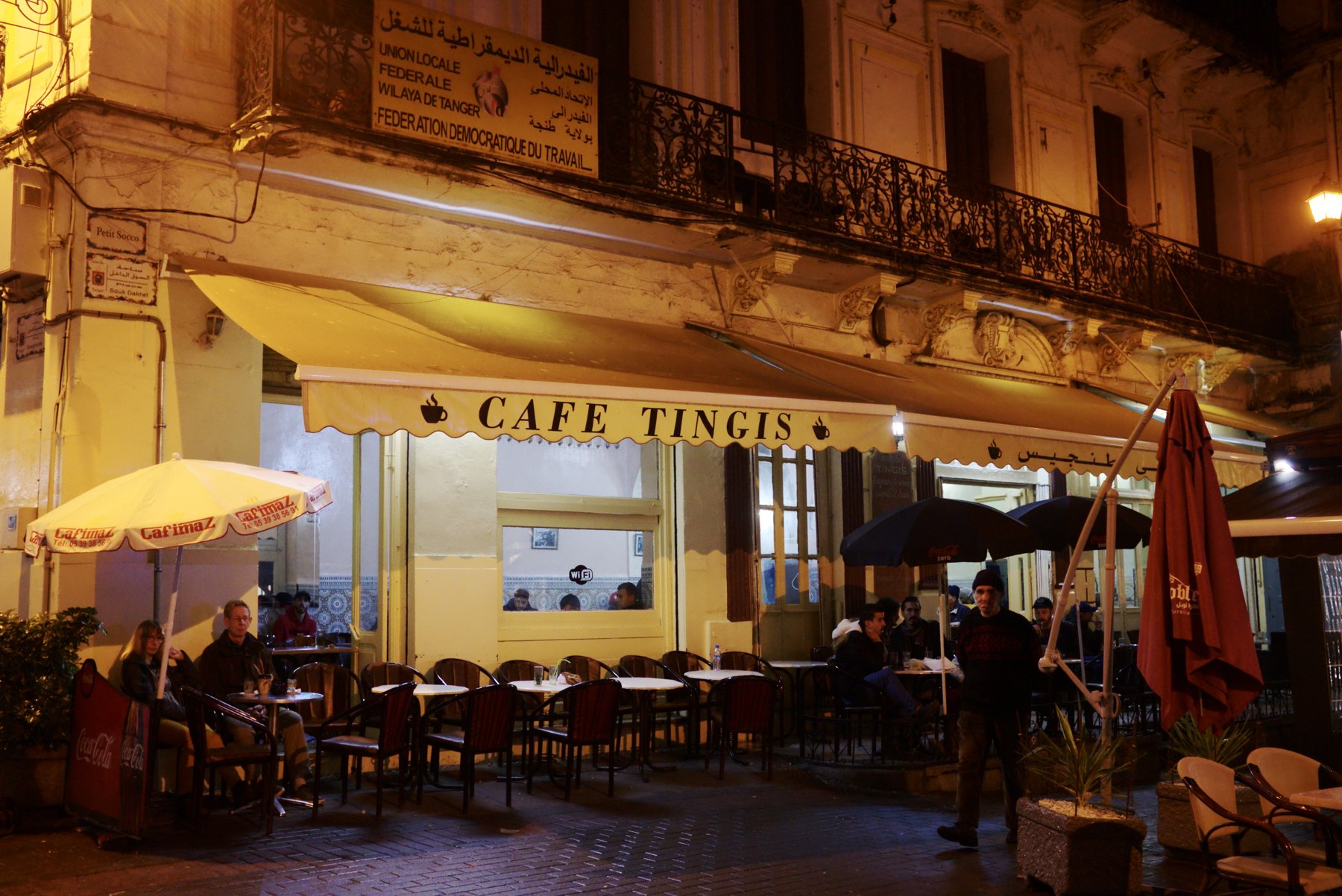
Tangier has spent long enough being described in the past tense. The parties, the writers, the indiscretions; the dangerous charm and the people who came looking for it. At times, the legend has seemed more animated than the present. Now there are fresh reasons to pull up a chair.
The sleeping giant is stirring. In its restaurant scene, the signs come in different forms: an old Italian favourite reopening with new purpose, a garden turned into a destination for dinner, familiar Moroccan ingredients meeting a more international appetite. Tangier is giving its admirers something to talk about beyond who used to be here.
That does not mean the whole city stopped eating well while the world looked elsewhere. Its markets, home kitchens and fish restaurants have lives independent of international fashion. What is returning is a particular kind of social electricity: the promise that dinner might lead somewhere, that an address might become an occasion, that the evening need not end with dessert.
The Italian comes back to life
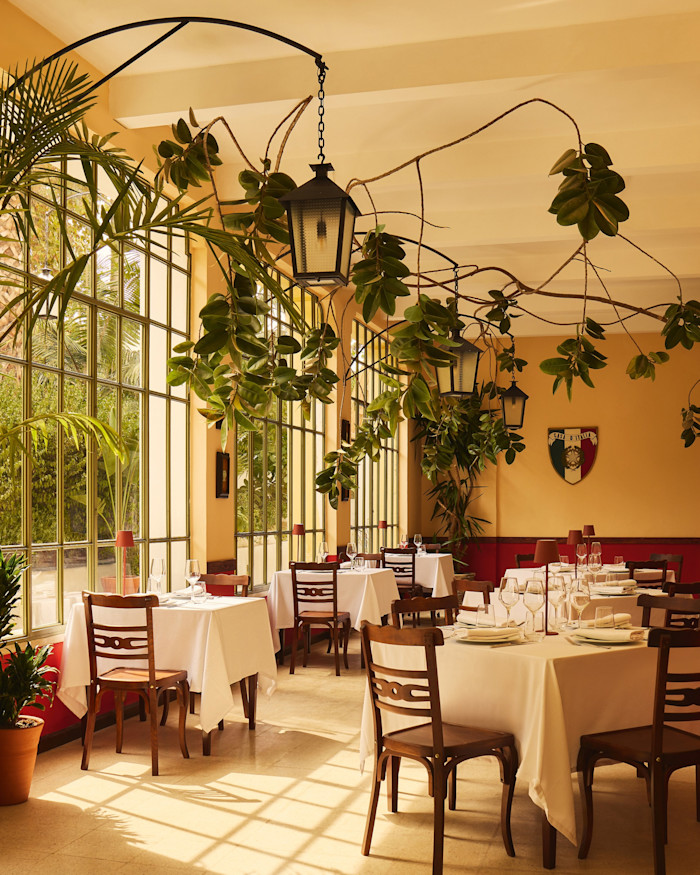
The clearest emblem is Casa d’Italia, now relaunched as Palazzo d’Italia. Reporting on 20 October 2026, the Financial Times described the reopening after an eight-month renovation under Italian-born operator Luca Ravera, formerly manager of Villa Mabrouka. Here is a classic being given another act.
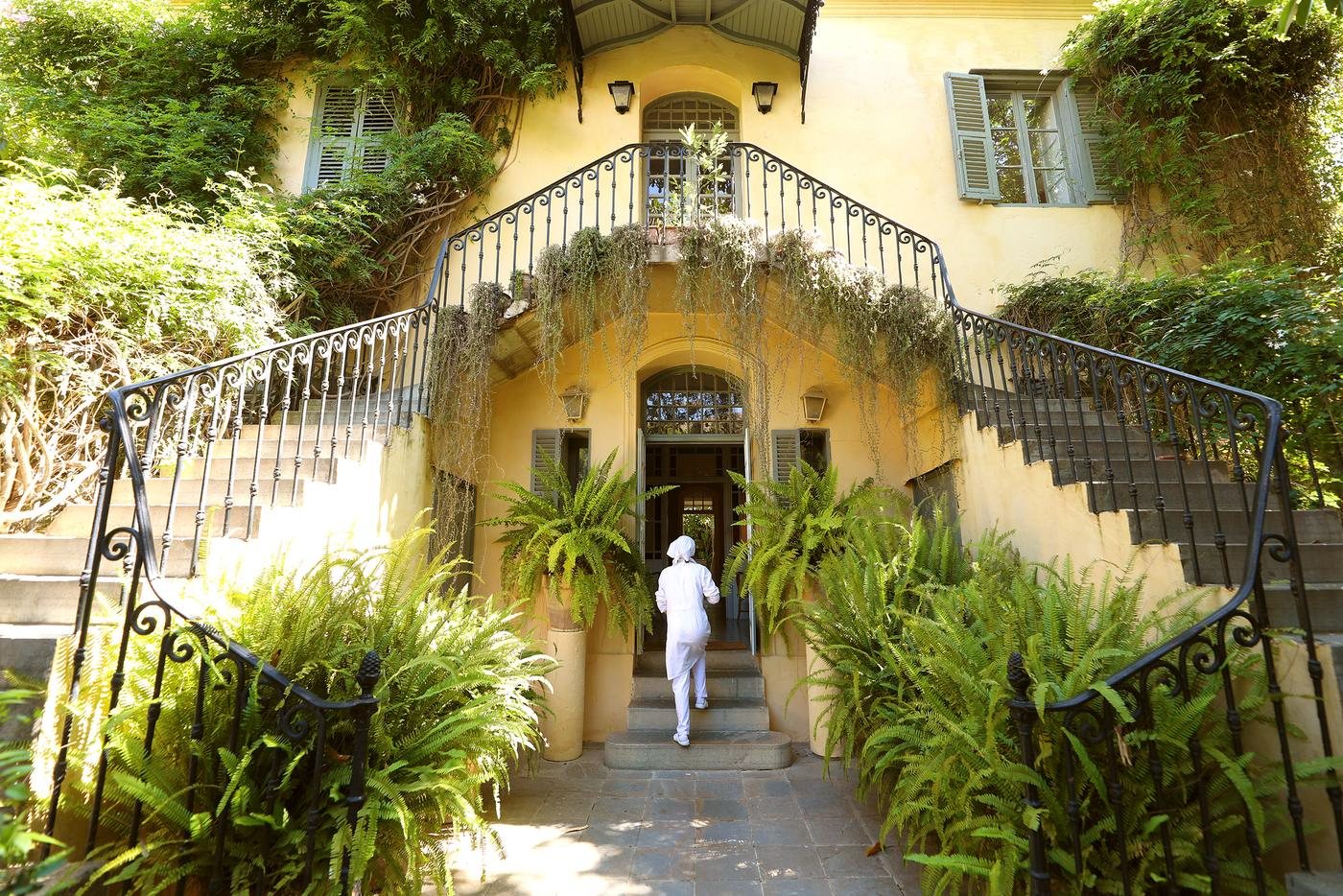
Its setting is the Moulay Hafid Palace, and its restaurant story reaches back to the 1950s, when it served the Italian community as a canteen and social club. Over time, the address acquired the familiarity that makes an institution: people returned for the place as much as the meal. Its revival has something more valuable to work with than a fashionable new name.
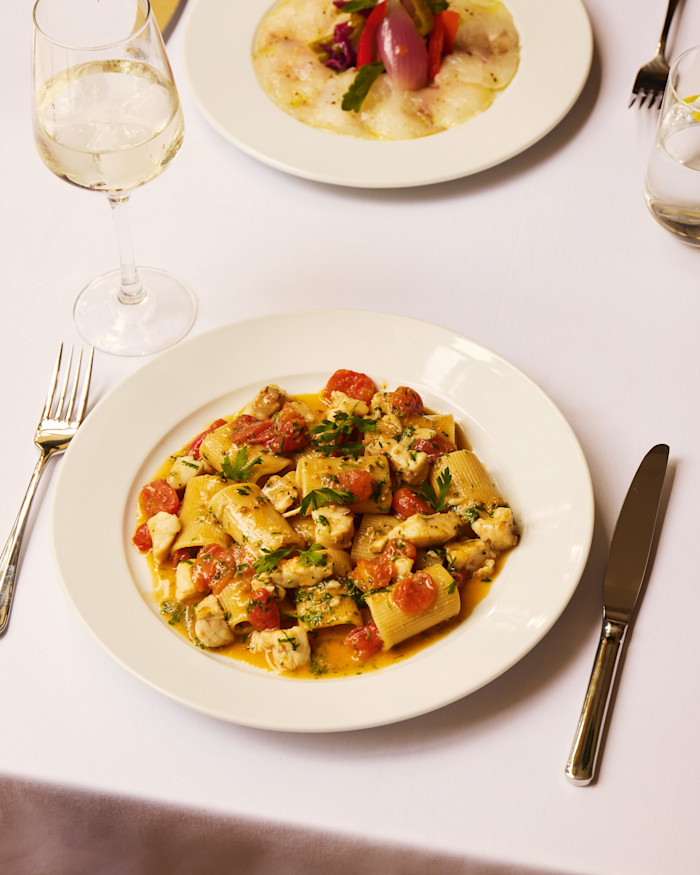
Ravera’s renewed menu includes seafood paccheri, an oversized veal cutlet, pizzas and tiramisu, with Negroni and Campari Spritz at the bar. These dishes were reported at the relaunch; menus will evolve. The important change is ambition. An old favourite is asking to be taken seriously again.
That is a rather cheering development. Cities need places where memory can settle at the table without being allowed to run the kitchen. Palazzo d’Italia offers a persuasive starting point for Tangier’s next chapter: familiar enough to matter, renewed enough to make people curious.
The sea never went out of fashion
For the counterpoint, turn towards Le Saveur du Poisson near the old Marché Central. Condé Nast Traveler describes the steps, the garlic and vegetables at the entrance, and the sequence of seafood dishes that follows bread, olives and harissa. This is a restaurant with a clear idea of what lunch should be.
Its place in this story matters. A city’s food culture cannot be measured solely in new dining rooms and hotel openings. The established fish lunch belongs in the same portrait as the restored institution. One supplies continuity; the other supplies a fresh reason to make plans. A lively scene needs both.
Dinner dresses up
Inside the Kasbah, El Morocco Club provides another register. Andrew Harper’s February 2025 account describes red leather seating and a dinner that crossed borders without much ceremony: taktouka with burrata, beef with béarnaise, fish with saffron risotto. Moroccan Chardonnay from Château Roslane made an appearance, too.
There is pleasure in that ease. Tangier does not have to prove its cosmopolitan credentials with every forkful. A local vegetable preparation and an Italian cheese can share a plate. A Moroccan wine can be the bottle that prompts the next conversation. For a magazine interested in the country’s wines, that is a thread worth following.
The same Harper report moves towards the waterfront at Nono Sea Taste, where a seafood specials board widened the possibilities beyond the printed menu. The reviewer singled out lobster dumplings. It is a useful reminder that the city’s appetite stretches beyond the familiar shorthand of tagines, grilled fish and French dining rooms. Those are dated observations, rather than a guarantee of tonight’s dishes.
A garden, a terrace, another hour
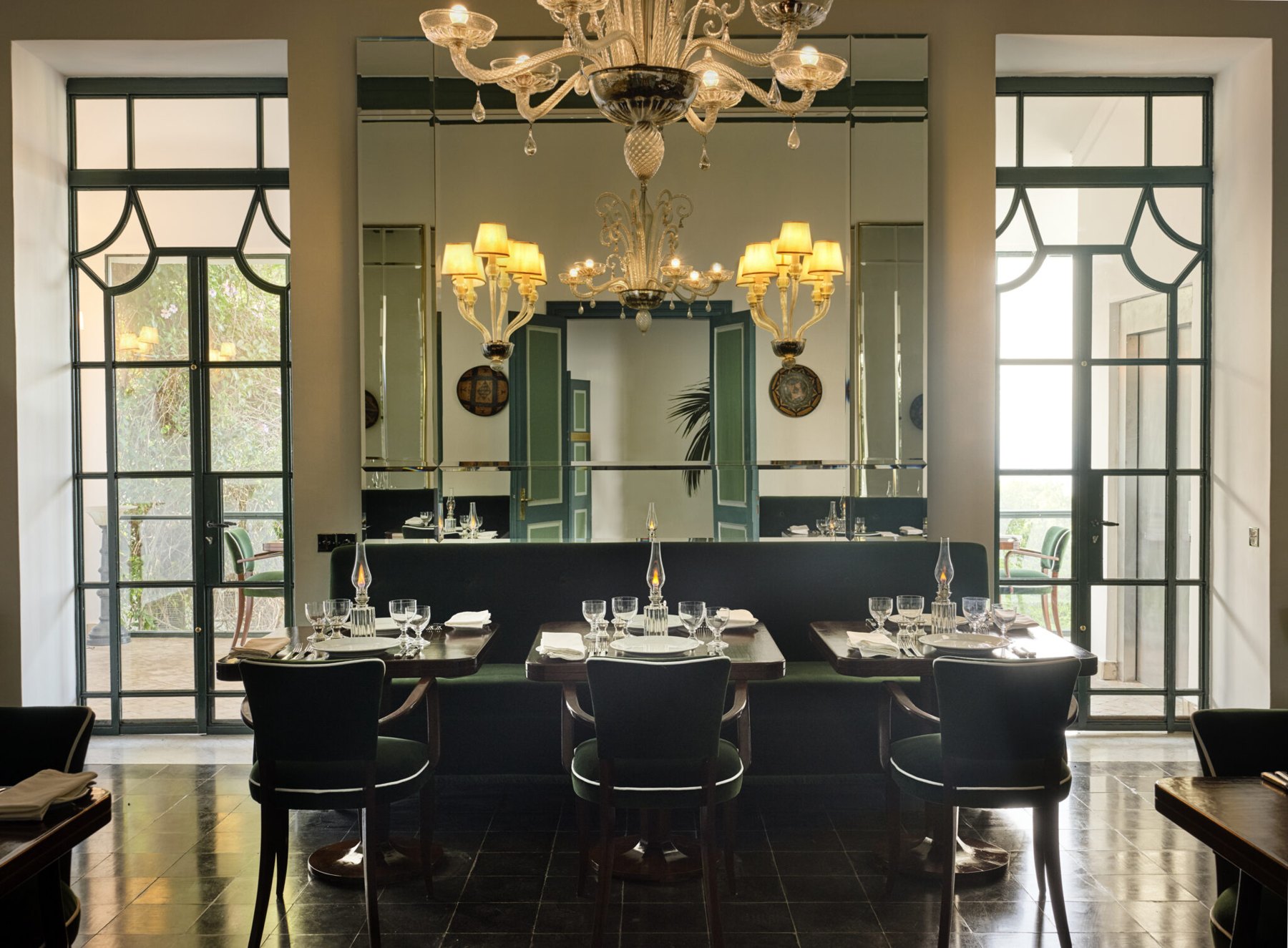
At Villa Mabrouka, the setting invites a different pace. L’Orangerie faces the garden and sea; indoors, mirrors and bamboo frame the dining room. The hotel describes seasonal Mediterranean cooking, with fish served grilled, as fritto misto or in a bouillabaisse-style broth. Here, the long lunch and the dressed-up dinner occupy the same address.
Its Italian sidestep is Luca’s Terrazza, serving Roman-style pizzas from a wood-fired oven above the sea. This is a separate venue from Palazzo d’Italia. It is also seasonal: the advertised opening period is April–October, so November readers should check ahead rather than arrive expecting a table. Advance reservations are requested for restaurant and bar visits.
Taken together, these places offer more than a list of somewhere to eat. They suggest a city recovering its appetite for being somewhere to go. The restored Italian institution, the dependable fish lunch, the Kasbah dinner and the garden terrace each create a different occasion.
The test of this revival will be how much room it leaves for the city around it: for Moroccan cooks and producers, neighbourhood businesses and regular customers, alongside the new arrivals. Glamour can bring attention. The people who keep returning give a scene its life.
For now, there is something to celebrate. Tangier’s jaunty, slightly improper reputation has carried a great deal of nostalgic weight. Its next evening out deserves to be judged on what happens now. Start with the Italian. Leave time for the fish. And try not to make too many plans for afterwards.