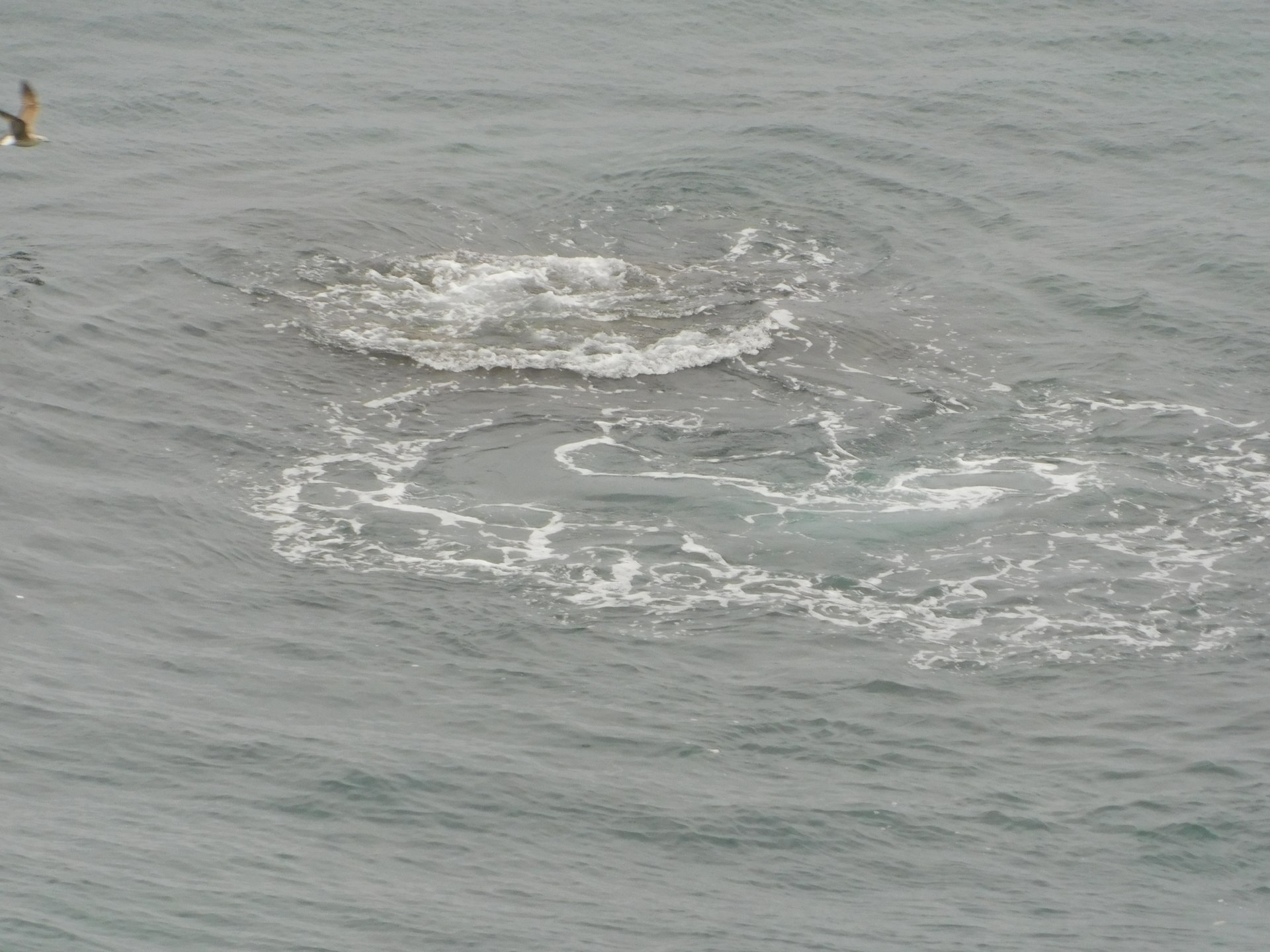
The sea in this photograph is the Alboran Sea, seen from Café Hafa in Tangier. That is what the image’s source establishes. It does not establish what was ordered, how long anyone stayed or what a waiter said. We begin with the view because it is enough to open a question: what happens when a table gives us permission to remain in one place while the world continues beyond it?
A café table is a small arrangement with surprisingly large possibilities. It can accommodate solitude without necessarily making it lonely. It can hold a conversation that has not yet found its subject. It can give a reader somewhere to put down a book, or two friends a reason to meet that does not demand an elaborate occasion. These are reflections on the form of café life, not claims about the behaviour of particular customers at Hafa.
Travel writing often treats the café as a list of endorsements. Somebody famous sat here; therefore we should sit here too. The logic is reassuring, but it can obscure the ordinary value of the place. A table does not become interesting only after a celebrated name has occupied it. The people who use a café repeatedly, who fit it into a working day or a friendship, may have more to tell us about its life than an inherited anecdote ever could.
There is also a difference between lingering and consuming a view. A photograph makes a moment available to everyone who sees it. A table asks for time. In our editorial reading, the sea offers a useful interruption to the impulse to hurry from one landmark to the next. Not because a coastline possesses a magical cure for distraction, but because attention sometimes needs something that refuses to be reduced to a task.
The pleasure of the café is not necessarily silence. It may be the balance between participation and distance: being among other people without having to organise the entire encounter. The shared room, terrace or pavement edge can allow different rhythms to coexist. A magazine interested in everyday life should take that coexistence seriously, while remembering that access, comfort and welcome cannot simply be assumed for every reader.
This piece is an essay, not a first-hand café review. We offer no menu, prices, opening hours or service verdict. Those details need their own current sources and reporting. What the photograph gives us is a Tangier vantage point; what the essay proposes is a way of approaching it. Stay with the ordinary possibilities of a table before reaching for a legend. A city is made not only of destinations, but of the intervals in which people have time to become familiar to one another.
← Back to the Tangier edition