A restaurant opening can be an excellent beginning for a story. It is not, by itself, proof that a city’s food culture has changed. The phrase “a changing restaurant scene” sounds like a conclusion; for this magazine it should be a question. What is changing, for whom, and compared with when? Before a new dining room becomes an emblem of Tangier, the reporting needs to look beyond the sign above its door.
The table offers a useful starting point because it gathers several kinds of work into one encounter. Somebody chooses ingredients, somebody prepares them, somebody welcomes a guest, somebody clears away. A description concerned only with the finished plate can make all that labour disappear. Our editorial preference is to bring it back into view, without pretending that we have already interviewed the people doing it.
A locally grounded food story would ask how a restaurant belongs to its surroundings. That does not mean demanding a fixed idea of authenticity, or insisting that a kitchen must reproduce the past. It means understanding the choices behind the meal: who imagines it, who can afford it, who supplies it, and what kind of gathering it encourages. A new idea and an old ritual can share a table without either being reduced to a slogan.
It is particularly easy to confuse a change in visibility with a change in everyday life. A polished dining room photographs well. A familiar kitchen may not have a publicity campaign. Neither fact tells us how important the place is to the people who use it. The distinction is an argument about how to report food, not a claim that one type of restaurant is flourishing or another is disappearing in Tangier. Those are questions that require evidence.
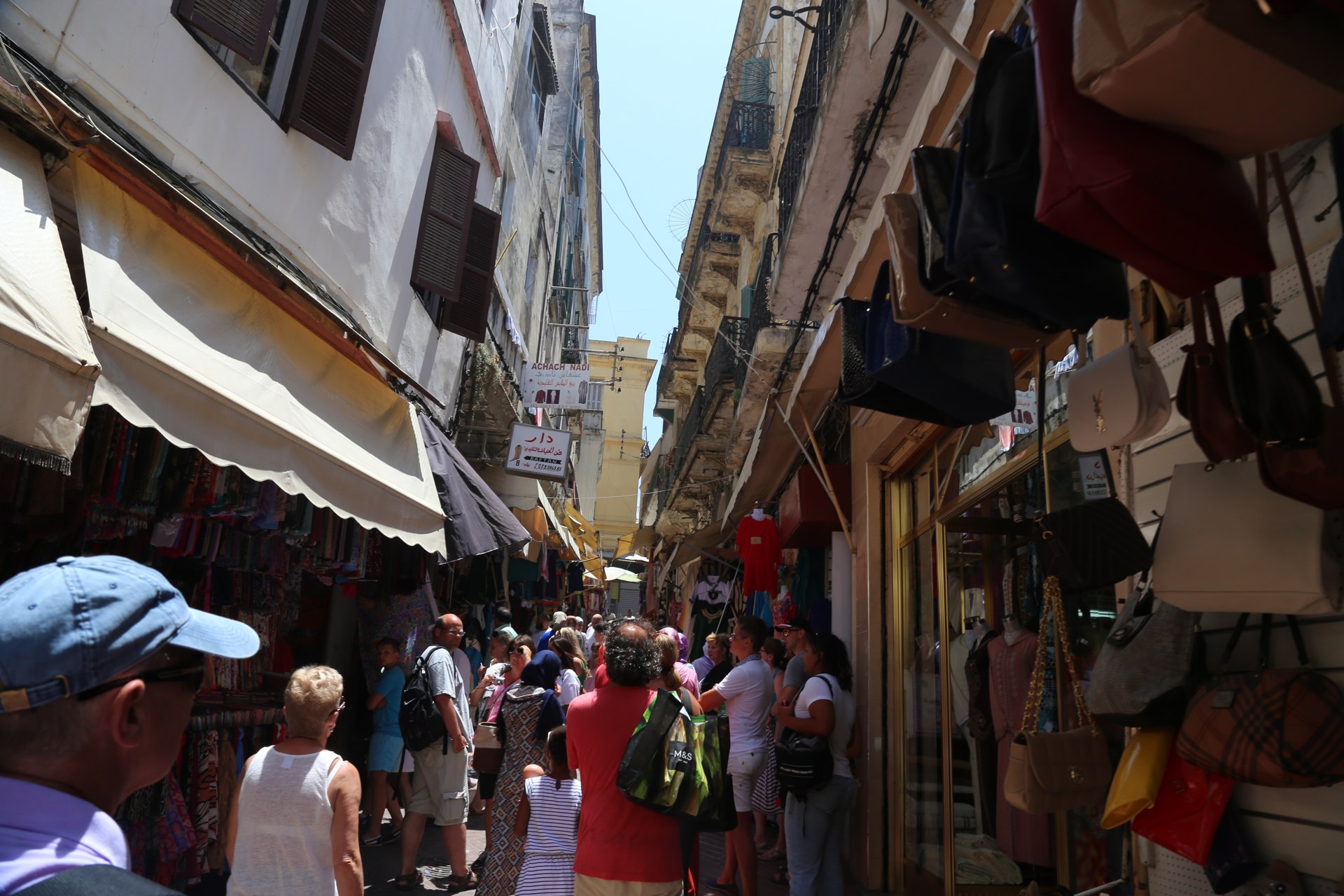
The street photograph accompanying this essay supplies city context only. It does not show a named restaurant, its owners or a meal we have eaten. That boundary is deliberately plain. We want readers to be able to tell the difference between an original editorial introduction and a reported review, just as they should be able to distinguish an official venue announcement from a writer’s judgment about it.
What makes the subject worth pursuing is not the promise of a ranking. It is the chance to follow people into their work and to consider eating as part of a city’s social life. The approach we admire in locally rooted magazines begins with makers rather than superlatives. A chef’s ambitions, a supplier’s practical decisions and a regular customer’s habits can illuminate more than a declaration that somewhere is the next place to be.
So this edition begins with the changing table as a proposition, not a verdict. Let the eventual reporting test it. In the meantime, food belongs here alongside cafés, art and ideas because the meal is one of the places where those subjects meet. A good restaurant story should leave us knowing more about the people around the table, not merely wanting to reserve it.
← Back to the Tangier edition