An evening in a city need not begin with a search for nightlife. It might begin with a film, a seat and the agreement to look at something together. Cinema offers a particular kind of company: strangers facing the same image, making different things of it. For the After Dark section of this magazine, that is a useful alternative to treating the evening as a catalogue of places to be seen.
The Cinémathèque de Tanger gives this thought a local anchor. Its official website publishes a programme with daily screening times. Our first guide records a small selection checked on 1 November 2026, including Jumana Manna’s Foragers and programmes featuring work by Kassem Hawal, Mustafa Abu Ali and Kamal Aljafari. These are listings from the venue, not films reviewed by this magazine. The current official page remains the place to check arrangements before setting out.
There is a history behind the programme. Pace Gallery’s 2019 account of Yto Barrada’s work describes the artist returning to Tangier in 2004 and working with fellow artists on a nonprofit initiative to save Cinema Rif. The text describes the Grand Socco cinema as a cultural hub, with screening rooms, an archive, a library and a café. It offers a historical account of the project; it should not be stretched into a claim about who runs the institution today.
What interests us in that history is the act of making space for other people’s images. A cinema can connect an individual artwork to a public without pretending that the public has a single response. The discussion after a film may be enthusiastic, uncertain or sharply divided. None of those reactions needs to be invented to recognise the value of the encounter. Shared attention does not require shared conclusions.
The programme also reminds us that culture in Tangier is not restricted to stories set in Tangier. A locally rooted institution can open onto other places and histories. That is one meaning of cosmopolitan life worth keeping: not a style of decoration, but a willingness to let unfamiliar perspectives complicate the world we thought we knew. This is an editorial reading of what cinema makes possible, rather than a promise about a particular screening’s atmosphere.
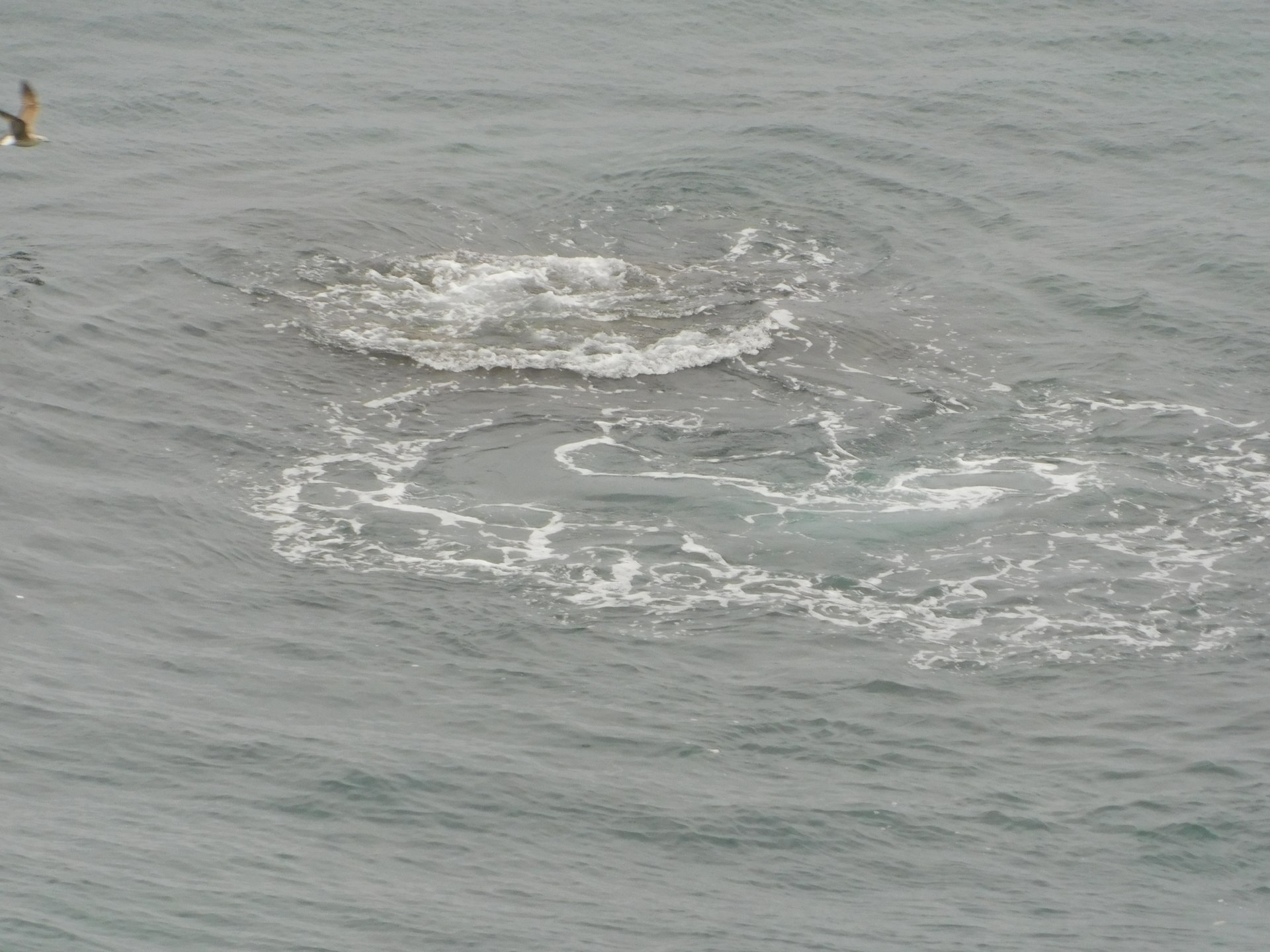
Our accompanying photograph shows the sea from Café Hafa in daylight. It is an interval in the edition’s visual rhythm, not evidence of a cinema visit or an evening performance. Festival images are equally specific: a photograph of Tanjazz cannot stand in for an ordinary night out. The distinction protects both the reader and the people whose work appears in the pictures.
To enter the evening through cinema is to leave room for more than entertainment. There is memory, argument, curiosity and sometimes the pleasure of walking away with a question unresolved. Follow the programme link, choose a date that still lies ahead, and check the venue’s notice. The magazine’s role is to make that doorway visible, not to manufacture an experience on the other side.
← Back to the Tangier edition